Report to 31 July 2025
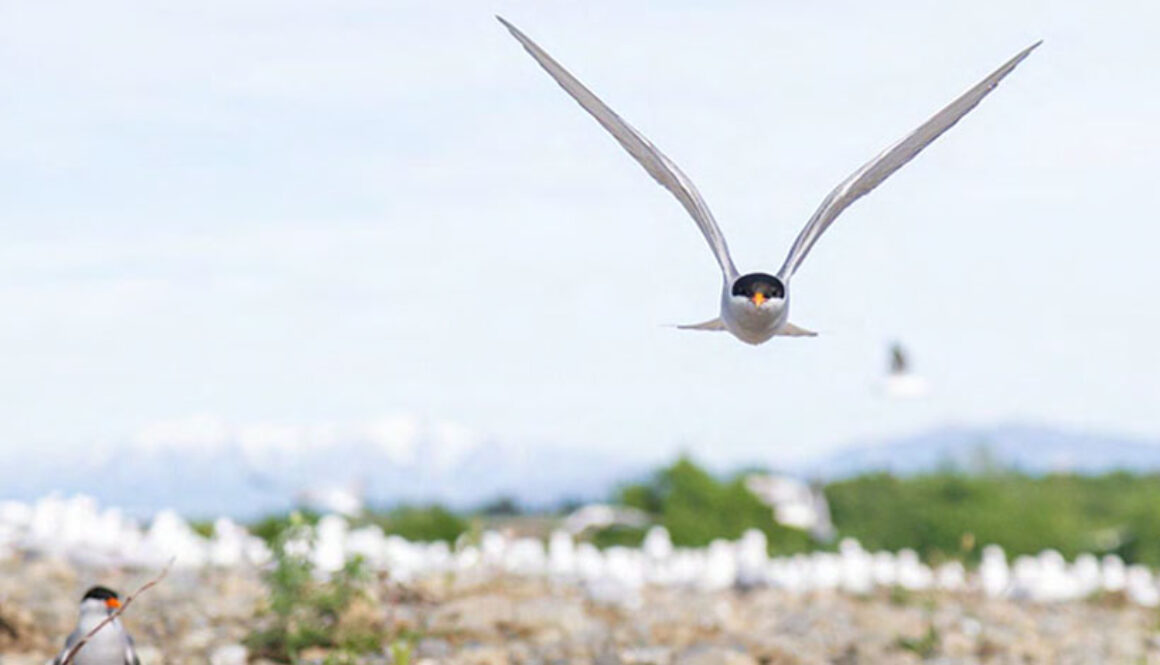
Since the end of February work has been ongoing to compile and interpret the results of the 2024-2025 nesting season. Much of this has been on the black-fronted tern.
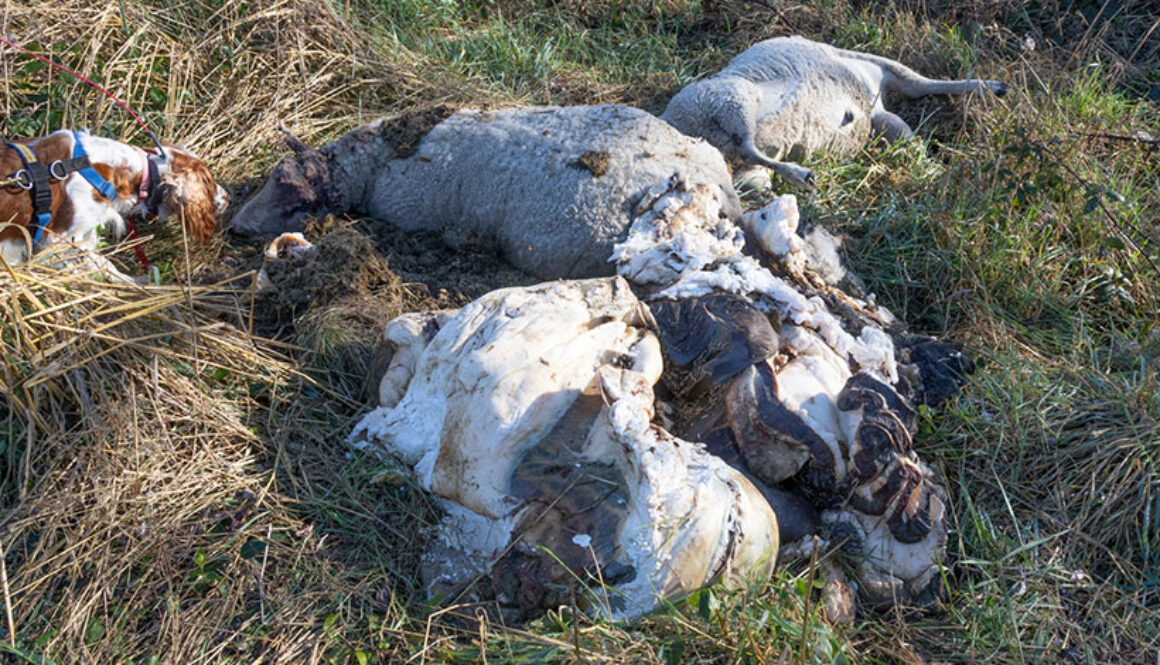
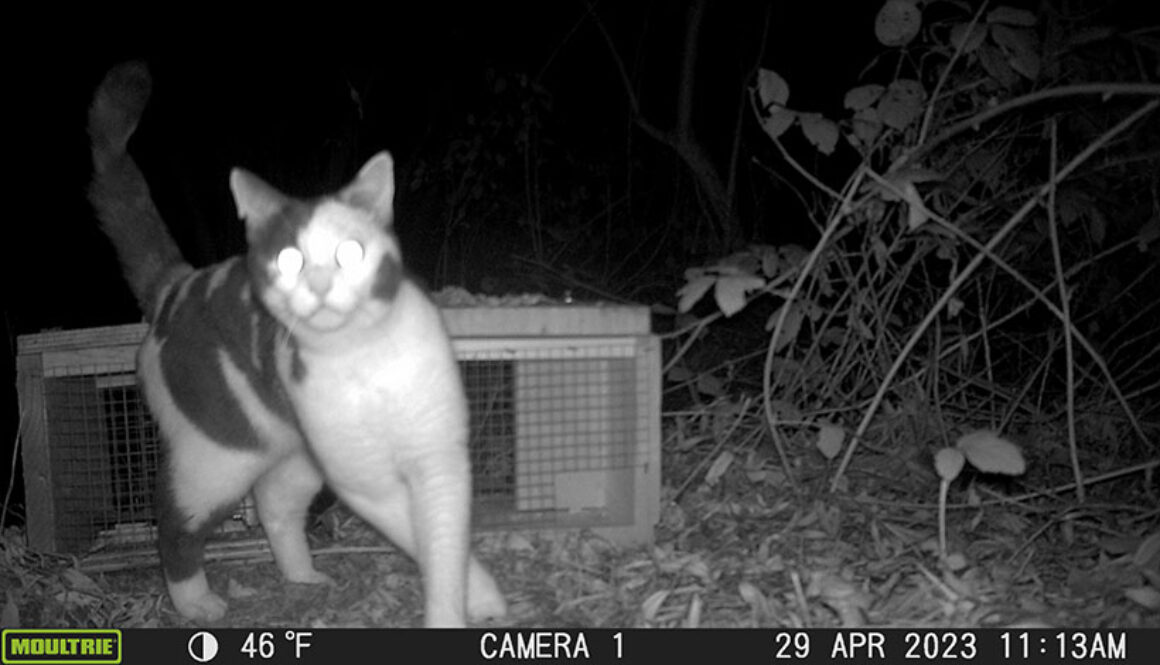
This season 228 black-fronted tern (BFT) nests were found in 9 colonies – this is a record number of nests and colonies. However, only 25% of nests hatched chicks, but surprisingly the fledgling rate per nest was almost the same – at 25%. The chart below gives a breakdown of nesting outcomes – abandonment was the main problem. Sometimes this could be attributed to a particular cause, other times the cause was completely unknown. A flood in October took away two colonies just as they were developing, but renesting took place at these sites. The most damaging predator was cats – they killed at least 3 adults and a number of chicks, ate eggs and caused desertion of nests. One small colony was entirely wiped out by Norway rats (top graph).
Fledgling success really needs to be calculated by pair nesting on the river not just by nest as presumably birds that lose nests early in the season renest on this river. If the maximum number of nests present at one time is used, or the number of birds counted in our annual survey (with allowance for non-breeding adults) then the fledgling success becomes about 40%. This is probably still not a sustainable rate. The chart below shows a timeline of colonies throughout the year.

Predator Catch
The chart below shows predator catch rate along the river since our records began in 2004. Catch rate from 1 August 2024 to end July 2025 was about 0.61 compared to 0.82 the year before and 0.76 in 2022 – 2023. Much of the decline is of ship rats, which don’t threaten river-nesting birds. It is unlikely that our trapping is behind this decline. But there has been a decline in Norway rat catch, this is quite possible attributable to targeting them where they live and feed – mainly by the use of a detection dog. Our kill traps for cats are quite ineffective and we don’t currently have resources to do much live capture – which is massively more successful. Our catch data doesn’t give a realistic picture of the cat problem.
Catch rate for our estuary traps has not declined.
We currently have 27 trappers checking lines along the river or around the estuary with oversight and coordination at this stage by one of the volunteer trappers.

Weed Control at Nesting Areas
In 2024-2025 we successfully predicted BFT nesting areas with 6/9 cleared islands used. Success was partly due to the river not changing since the previous season. Weed growth in some of these places wasn’t extreme –the birds may well have nested here without clearing.
A late April/early May flood cleared all potential nesting areas of weed and control of lupin etc isn’t necessary for the coming season. However, willow seedlings, both purple and crack varieties, are a problem and 4 weeks was spent mapping them–mainly along the edge of braids. ECan sprayed some of this and some was washed away or covered up by the flood. We understand ECan will be doing more spraying of seedlings and source trees in Spring.
Four probable nesting sites need new channels dug to create islands. Gravel extractors at three of these locations have been approached and ECan Braided River Revival team will be coordinating, with the use of a new consent allowing diversions.
Education and Advocacy
May – a productive presentation to the AGM of North Canterbury Branch of Forest and Bird
May – Young writer’s competition highlighting the river estuary at Waikuku
June – Visit and talk to 2 North Canterbury schools
July – Braided Rivers Seminar, G Davey spoke to 160 participants on “Where Ashley River Birds Nest”
July – after the Braid Seminar, ARRG was also represented at a Black Fronted Tern workshop, aiming to coordinate efforts to save this species
August – talk to Waimakariri Combined Friendship Club
August – ARRG involved in Waimakariri District Council led events to welcome the birds back to the river